


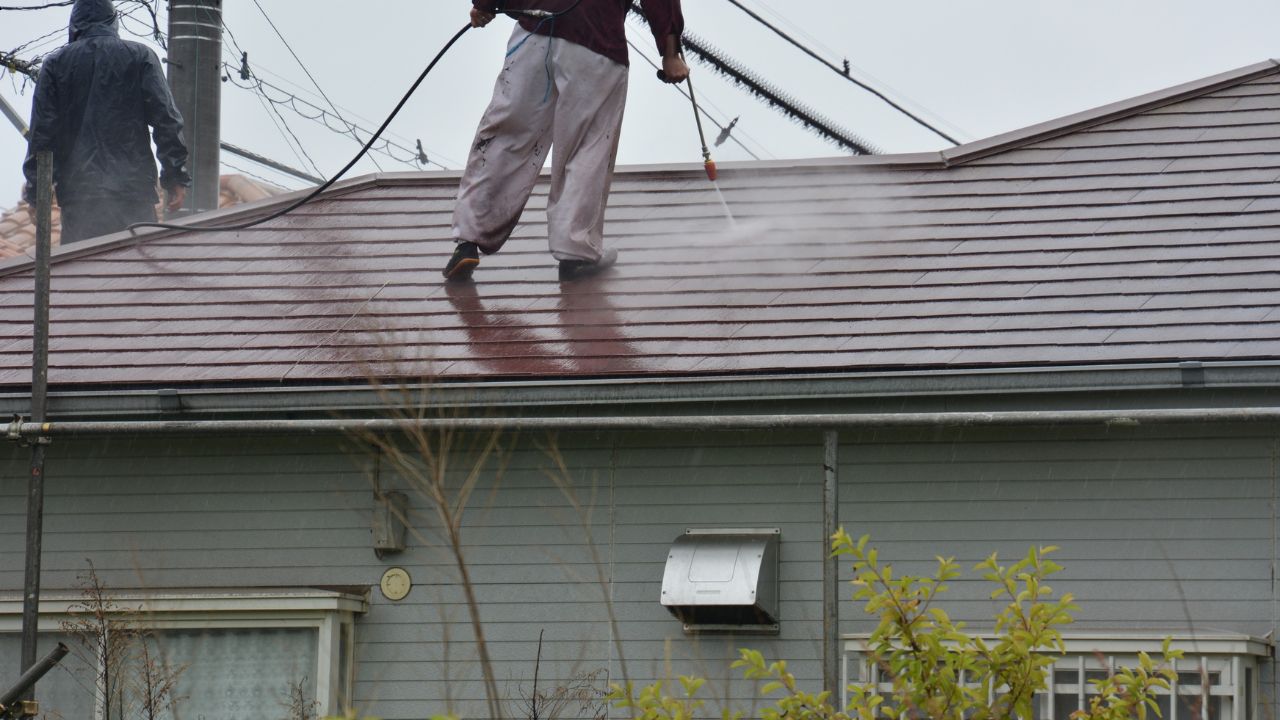
Reno roofs deal with a unique mix of stress: intense sun, sharp temperature swings, gusty winds, and the occasional heavy snow load. Those conditions can make small issues grow quietly until they become a leak, a sagging section, or a surprise interior repair. The good news is that most major roofing problems start as fixable, visible signals—if you know what an inspection should cover and what to do with the results.
Why Reno Homes Benefit From Routine Roof Checkups
A roof doesn’t usually fail all at once. More often, it degrades in pockets: a few shingles here, a flashing seam there, a vent boot that cracked from UV exposure. Reno’s climate accelerates those “weak points” because materials expand and contract more dramatically between hot afternoons and cold nights.
A routine inspection helps you:
- Catch early wear before water finds a pathway inside
- Identify workmanship issues that don’t show up until seasons change
- Plan repairs in manageable phases instead of emergency spending
- Preserve ventilation performance (which affects energy use and attic moisture)
If you’ve had a recent wind event, notice debris in gutters, or see shingle granules collecting near downspouts, that’s often the roof telling you it’s time for a closer look.
What a Proper Roofing Inspection Should Include
A quick glance from the ground isn’t an inspection—it’s a screening. A thorough review typically includes both exterior and interior checkpoints so the inspector can connect symptoms with causes.
Exterior checks: the roof’s “weather-facing” components
A solid inspection usually looks at:
- Shingle condition: curling, cracking, missing tabs, blistering, or exposed nail heads
- Granule loss: bare patches that speed up UV damage
- Flashing integrity: chimneys, valleys, skylights, walls, and transitions
- Penetrations: pipe boots, vents, exhaust fans, and seals
- Gutters and edges: drip edge performance, sagging gutters, overflow marks
- Valleys and low-slope areas: places where water concentrates and debris collects
In Reno, valleys can be a hotspot because pine needles and wind-driven debris tend to settle there. When water can’t flow cleanly, it lingers—and lingering water is where leaks begin.
Interior checks: where problems show up first
Inside, an inspector should look for:
- Attic moisture signs: damp insulation, staining on rafters, musty odors
- Ventilation balance: intake/exhaust performance, blocked soffits, inadequate ridge venting
- Daylight intrusion: tiny pinholes that hint at gaps or lifted flashing
- Mold-like spotting: not a diagnosis, but a signal that moisture control needs attention
Even if your ceiling looks fine, attic clues often appear months before a visible stain.
Common Reno Roofing Issues (And What They Usually Mean)
Knowing the “usual suspects” helps you evaluate recommendations and prioritize repairs.
Wind-lifted shingles and fastener issues
High winds can loosen shingles, especially along edges and ridges. Sometimes the shingles are still present but no longer sealed down. That’s risky because once wind gets under a tab, it can peel more material back over time.
Flashing gaps around chimneys and walls
Flashing failures are a top cause of leaks because water naturally seeks seams. Thermal cycling (hot/cold expansion) can open tiny separations that gradually widen—especially around rigid features like chimneys.
Aging vent boots and seals
Rubber components don’t last forever under high UV exposure. A cracked vent boot can let water in even if shingles look fine everywhere else.
Ice and snow-related stress (in the right conditions)
Not every winter creates problems, but heavy snow loads or uneven melting can expose weak drainage zones. The real issue is usually not the snow itself—it’s water finding a path where the roof system is already vulnerable.
Turning Inspection Notes Into a Practical Repair Plan
An inspection report is only useful if it leads to the right next steps. Here’s a simple way to translate findings into action.
Step 1: Separate “must fix now” from “monitor”
Urgent issues typically include:
- Active leaks or visible interior moisture
- Missing shingles exposing underlayment
- Open flashing seams or displaced metal
- Soft spots suggesting potential decking damage
Monitor items might include early granule loss, minor curling, or small sealant wear that isn’t yet allowing intrusion.
Step 2: Prioritize repairs that prevent water entry
If you have multiple items, focus first on anything that stops water from entering the system. Cosmetic improvements (like uniform shingle appearance) can come later.
Step 3: Ask for repair scopes, not just conclusions
A good repair recommendation explains what will be done, not just what’s wrong. For example, “replace pipe boot and reflash” is clearer than “fix vent.”
Step 4: Look at ventilation when you fix the roof
Repairs are a great time to confirm airflow balance. Poor ventilation can shorten material life by trapping heat and moisture in the attic.
If you’re looking for a local, practical starting point for roofing inspections and repairs Reno, you can review what that process typically involves here: roofing inspections and repairs Reno.
How to Keep Repairs Small (Instead of Becoming a Full Replacement)
Not every roof issue means you need a full tear-off. Many homeowners can extend roof life by addressing recurring trouble zones early and consistently.
Here are habits that help:
- Schedule inspections around major weather shifts (after winter, after windy stretches)
- Keep gutters clear so water doesn’t back up under edges
- Trim overhanging branches to reduce debris and shingle abrasion
- Watch for indoor signals like faint staining, peeling paint near ceilings, or attic odor changes
- Document repairs so you can track patterns (repeated issues in one area often reveal an underlying cause)
If inspections repeatedly show widespread shingle brittleness, large-scale granule loss, or multiple failing components at once, that’s when replacement becomes a more economical long-term move. But you don’t want to guess—you want the inspection findings to guide the decision.
Conclusion: Inspections Make Reno Roofing Predictable
A roof doesn’t have to be mysterious. With routine inspections, clear repair scopes, and smart prioritization, you can prevent most emergencies and keep your roof performing through Reno’s seasonal swings. Think of inspections as a way to turn uncertainty into a plan: you’ll know what needs attention now, what can wait, and how to budget without surprises.