


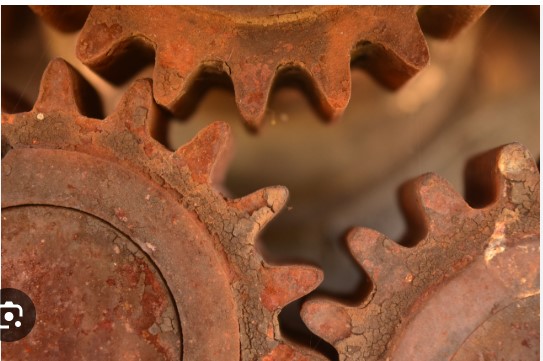
Corrosion has long been a costly and persistent challenge for industries such as construction, manufacturing, transportation, and infrastructure. In the past, corrosion management was largely reactive—addressing damage only after rust had already formed. This approach often led to high maintenance costs, safety risks, and shortened asset lifespans. Today, modern corrosion management focuses on prevention, using advanced technologies and smarter planning to stop rust before it starts.
Understanding the Corrosion Process
Corrosion, commonly seen as rust in iron and steel, is an electrochemical reaction involving metal, oxygen, and moisture. Environmental factors such as humidity, salt, chemicals, and temperature fluctuations can accelerate this process. By understanding these conditions, engineers and maintenance teams can design systems and environments that significantly reduce the likelihood of corrosion forming in the first place.
Advanced Protective Coatings
One of the most effective modern methods of corrosion prevention is the use of advanced protective coatings. Unlike traditional paints, modern coatings are engineered to create strong barriers against moisture, oxygen, and chemical exposure. Epoxy, polyurethane, and zinc-rich coatings are widely used across industries. Some innovative coatings even feature self-healing properties, allowing them to repair minor scratches and prevent rust from spreading.
Smart Material Selection
Choosing the right materials is another key strategy in modern corrosion management. Corrosion-resistant materials such as stainless steel, aluminum alloys, and composite materials are increasingly used in high-risk environments. Although these materials may have higher initial costs, they often reduce long-term maintenance needs and replacement expenses, resulting in lower total lifecycle costs.
Protective Systems and Inhibitors
Modern corrosion control also includes the use of corrosion inhibitors and cathodic protection systems. Corrosion inhibitors are chemicals added to systems like pipelines or cooling circuits to slow down chemical reactions that cause rust. Cathodic protection, commonly used for underground or marine structures, works by directing corrosion toward a sacrificial material instead of the primary asset.
Digital Monitoring and Predictive Maintenance
Technological advancements have transformed corrosion management through digital monitoring tools. Sensors, drones, and Internet of Things (IoT) devices provide real-time data on environmental conditions and early signs of corrosion. This data-driven approach allows organizations to perform maintenance proactively, reducing unexpected failures and improving operational efficiency.
Sustainability and Long-Term Benefits
Preventing corrosion before it starts also supports sustainability goals. Reduced maintenance, fewer material replacements, and longer asset lifespans lead to lower resource consumption and less waste. This makes modern corrosion management not only cost-effective but also environmentally responsible.
Conclusion
Modern corrosion management represents a shift from reactive repair to proactive prevention. By combining advanced coatings, smart material choices, protective systems, and digital monitoring, industries can significantly extend asset life, enhance safety, and reduce costs. Stopping rust before it starts is not just a technical improvement—it is a strategic investment in durability, efficiency, and sustainability. For best corrosion management KSA, visit Cormat Group.