


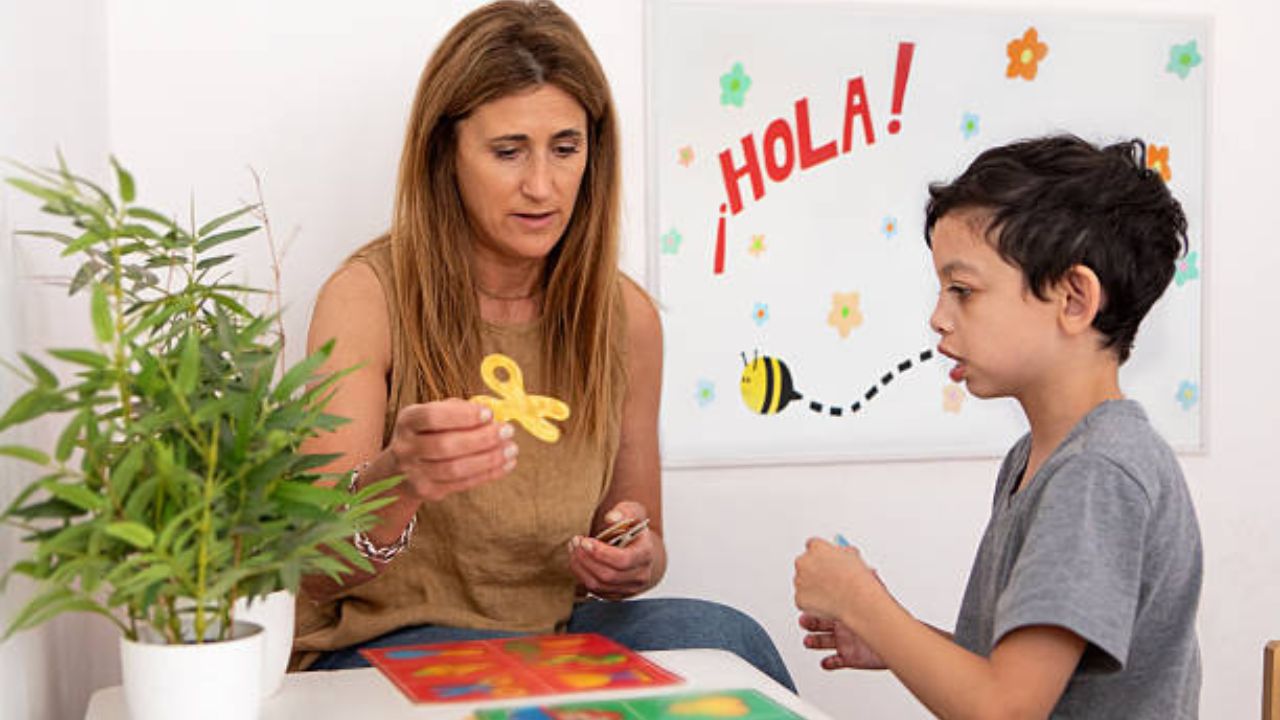
Living in Phoenix means being part of a vibrant, diverse, and growing community. But for thousands of children and adults across the Valley—from North Scottsdale to Ahwatukee—communication barriers can make it feel impossible to fully participate in that community.
Speech therapy is often misunderstood. It’s not just about fixing a lisp or helping a toddler talk sooner. It is a vital health service that restores confidence, independence, and the ability to connect with others.
Whether you are a parent concerned about a “late talker,” an adult recovering from a stroke, or someone seeking gender-affirming voice training, here is why speech therapy is a game-changer for Phoenix residents.
1. Early Intervention for “Little Sun Devils”
For parents in Phoenix, the “wait and see” approach is becoming a thing of the past. The biggest benefit of pediatric speech therapy is school readiness and social confidence.
- Closing the Gap Early: Research shows that children who receive intervention before age 3 (available through programs like AzEIP—Arizona Early Intervention Program) have significantly better outcomes in reading and writing once they hit school age.
- Feeding & Swallowing: It’s not just about speech. Many local pediatric therapists specialize in “feeding therapy,” helping picky eaters or children with sensory processing issues get the nutrition they need to survive the Arizona heat.
- Bilingual Support: Phoenix has a rich Hispanic heritage. Local therapists are uniquely equipped to distinguish between a language difference and a language disorder, ensuring bilingual children are supported in both English and Spanish without losing their cultural identity.
2. Recovery & Independence for Adults
Phoenix is home to some of the nation’s top neurological centers (like Barrow Neurological Institute), meaning adult speech therapy here is world-class.
- Stroke & TBI Recovery: For survivors of stroke or Traumatic Brain Injury (TBI), speech therapy effectively “rewires” the brain (neuroplasticity). Therapists help patients regain the ability to find words (treating aphasia) and process information.
- Parkinson’s Support: With a large retirement population, Phoenix has a high demand for Parkinson’s support. Therapies like LSVT LOUD, widely available in the Valley, train patients to “speak loud” to prevent the quiet, mumbled speech often associated with the disease.
- Cognitive Strengthening: It’s not just about talking; it’s about thinking. Therapy helps adults organize thoughts, manage finances, and remember medications, allowing them to live independently in their own homes for longer.
3. The “Phoenix Advantage”: Accessible & Specialized Care
One of the major benefits of seeking therapy specifically in Phoenix is the sheer variety of care settings available to fit the sprawling nature of our city.
- Mobile & In-Home Therapy: Driving from the West Valley to the East Valley can be a nightmare. Fortunately, Phoenix has seen a boom in “mobile clinics” and providers who come to your home, school, or daycare, saving you hours on the I-10.
- Teletherapy: For those during the intense summer months who can’t leave the house, teletherapy has become a standard, effective option for articulation and fluency work.
- Community Support: Therapy extends beyond the clinic. Phoenix offers robust support networks that work alongside therapy, such as:
- Stroke Support Groups at Reunion Rehabilitation Hospital.
- Autism Parent Groups via the Autism Society of Greater Phoenix.
- Aphasia Groups that meet socially to practice conversation in a low-pressure environment.
How to Get Started in Phoenix
If you think you or a loved one could benefit, the path to entry in Arizona is clearer than you might think:
- For Kids (0-3): Contact AzEIP (Arizona Early Intervention Program) for a free screening. You do not need a doctor’s referral to get started.
- For Kids (3+): Contact your local school district (e.g., Kyrene, Scottsdale Unified, Phoenix Union) for an evaluation, or seek a private clinic.
- For Adults: Ask your primary care physician for a referral to a speech-language pathologist (SLP).
- Funding: Many families in Phoenix utilize DDD (Division of Developmental Disabilities) funding or ESA (Empowerment Scholarship Account) funds to pay for private speech therapy services.
The Bottom Line
Communication is the foundation of our lives. In a city as large and fast-paced as Phoenix, having a voice matters. Speech therapy doesn’t just fix sounds; it opens doors to employment, education, and relationships.