


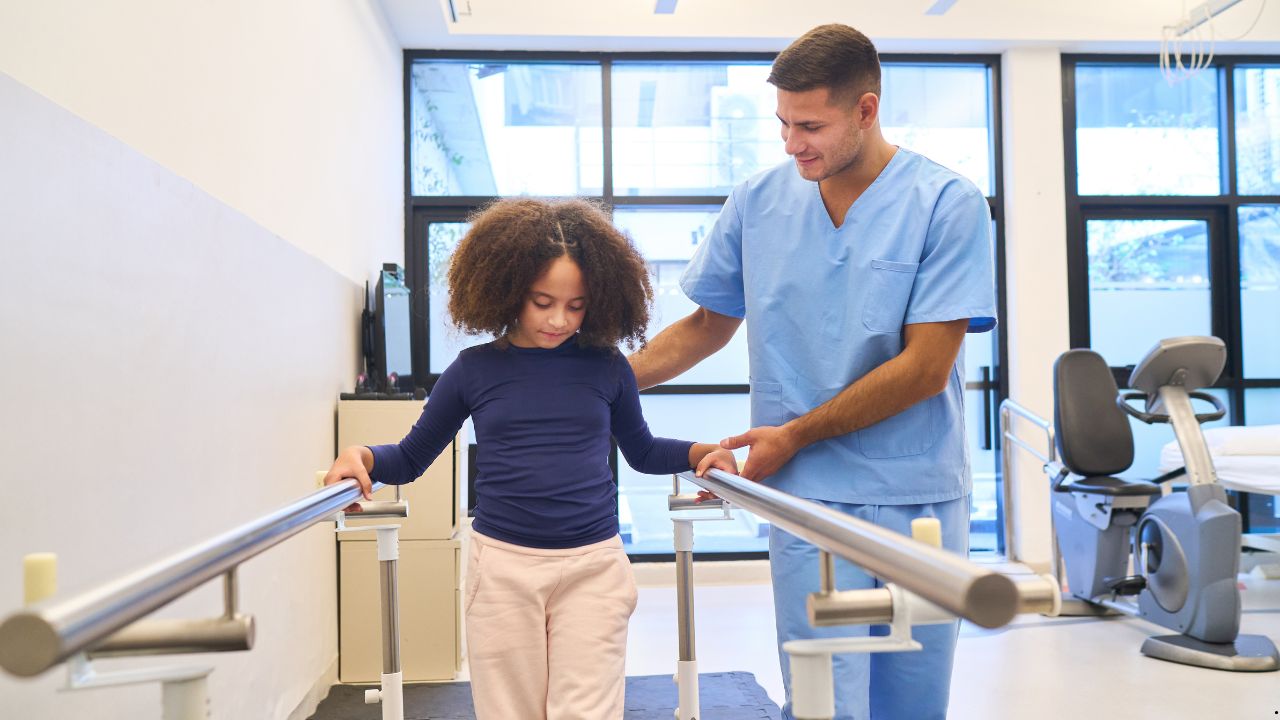
When a child struggles to reach developmental milestones, it can be worrying for parents and caregivers. Sitting, crawling, walking, running, and balance are skills many children develop naturally—but for some, delays occur. This is where paediatric physiotherapy plays a crucial role. Early assessment and targeted therapy can make a life-changing difference in a child’s physical development, confidence, and long-term independence.
This article explores how paediatric physiotherapy supports children with developmental delays, why early intervention matters, and what parents can expect from treatment.
What Is Paediatric Physiotherapy?
Paediatric physiotherapy is a specialized area of physiotherapy focused on infants, toddlers, children, and adolescents. It addresses physical challenges related to movement, posture, strength, coordination, balance, and motor development.
Unlike adult physiotherapy, paediatric physiotherapy uses play-based, age-appropriate techniques to encourage movement and learning. Therapy sessions are designed to be engaging, fun, and motivating while still being clinically effective.
Paediatric physiotherapists work closely with families to ensure therapy goals support everyday activities at home, school, and in the community.
Understanding Developmental Delays in Children
A developmental delay occurs when a child does not achieve expected motor milestones within the typical age range. These delays can affect:
- Gross motor skills (rolling, sitting, crawling, walking)
- Balance and coordination
- Muscle strength and endurance
- Posture and alignment
- Motor planning and movement confidence
Developmental delays can be mild, moderate, or significant and may result from various factors, including premature birth, neurological conditions, genetic disorders, or unknown causes.
Early identification is key, and paediatric physiotherapy is often one of the first recommended interventions.
Signs Your Child May Benefit from Paediatric Physiotherapy
Parents are often the first to notice when something doesn’t feel right. While every child develops at their own pace, the following signs may indicate the need for paediatric physiotherapy:
- Delayed rolling, sitting, crawling, or walking
- Poor balance or frequent falls
- Difficulty with stairs, running, or jumping
- Toe walking or unusual walking patterns
- Low muscle tone (appearing “floppy”) or high muscle stiffness
- Preference for using one side of the body
- Difficulty keeping up with peers during play
If you notice any of these signs, a paediatric physiotherapy assessment can provide clarity and guidance.
Why Early Intervention Matters
One of the most important benefits of paediatric physiotherapy is early intervention. Children’s brains and bodies are highly adaptable, especially in the early years. This adaptability—known as neuroplasticity—allows therapy to have a stronger and faster impact when started early.
Benefits of Early Paediatric Physiotherapy
Paediatric physiotherapy not only supports motor development but can also serve as a therapeutic intervention for addressing pain and discomfort associated with neurological conditions. Learn more about how physiotherapy can help relieve central neuropathic pain in individuals here.
- Improves motor skill development
- Prevents compensatory movement patterns
- Reduces the risk of long-term physical limitations
- Enhances confidence and independence
- Supports participation in school and sports
- Improves overall quality of life
Early paediatric physiotherapy not only helps children catch up developmentally but also empowers families with the tools to support progress at home.
How Paediatric Physiotherapy Helps Developmental Delays
Paediatric physiotherapists create individualized treatment plans based on each child’s needs, abilities, and goals. Therapy may include a combination of the following approaches:
1. Strength and Muscle Control Training
Children with developmental delays often have reduced strength or difficulty controlling movements. Paediatric physiotherapy uses guided activities to build muscle strength in a safe and effective way.
2. Balance and Coordination Exercises
Balance is essential for walking, running, and playing. Therapists use games and obstacle courses to improve coordination and postural control.
3. Gait and Movement Training
If a child has difficulty walking or uses an unusual walking pattern, paediatric physiotherapy focuses on improving gait mechanics and functional mobility.
4. Play-Based Therapy
Play is a powerful learning tool. Paediatric physiotherapy integrates toys, games, and imaginative play to encourage natural movement while keeping children engaged.
5. Parent Education and Home Programs
Parents are a vital part of therapy success. Paediatric physiotherapy includes education and simple exercises that can be done at home to reinforce progress between sessions.
Conditions Commonly Treated with Paediatric Physiotherapy
Paediatric physiotherapy supports a wide range of conditions, including:
- Developmental delays
- Cerebral palsy
- Down syndrome
- Autism spectrum disorder (ASD)
- Torticollis and plagiocephaly
- Prematurity-related motor challenges
- Muscle weakness or coordination difficulties
- Sports injuries in children and adolescents
Regardless of diagnosis, paediatric physiotherapy focuses on maximizing each child’s functional potential.
In some cases, innovative therapeutic tools and interventions can complement physiotherapy for enhancing motor and sensory development. One such intervention is the use of gold foil boxes, which can support engagement and fine motor skills in children. Learn more about this approach here.
What to Expect During a Paediatric Physiotherapy Assessment
An initial paediatric physiotherapy assessment typically includes:
- Review of medical and developmental history
- Observation of movement and posture
- Assessment of strength, flexibility, and coordination
- Discussion of parental concerns and goals
Following the assessment, the physiotherapist will explain findings in clear, simple language and create a personalized treatment plan.
Long-Term Impact of Paediatric Physiotherapy
The benefits of paediatric physiotherapy extend far beyond early childhood. Improved movement skills can positively influence:
- School participation
- Social confidence
- Physical activity levels
- Emotional well-being
- Long-term musculoskeletal health
By addressing movement challenges early, paediatric physiotherapy helps children build a strong foundation for an active and healthy life.
When Should You Seek Paediatric Physiotherapy?
If you ever feel unsure about your child’s physical development, trust your instincts. You do not need to wait for a diagnosis or referral to seek paediatric physiotherapy. Early assessment provides reassurance, guidance, and—when needed—timely intervention.
Final Thoughts
Paediatric physiotherapy plays a vital role in supporting children with developmental delays by improving movement, confidence, and independence. Through early intervention, personalized care, and family involvement, paediatric physiotherapy helps children overcome challenges and reach their full potential.
If you have concerns about your child’s motor development, seeking paediatric physiotherapy early can make all the difference—today and for years to come.