


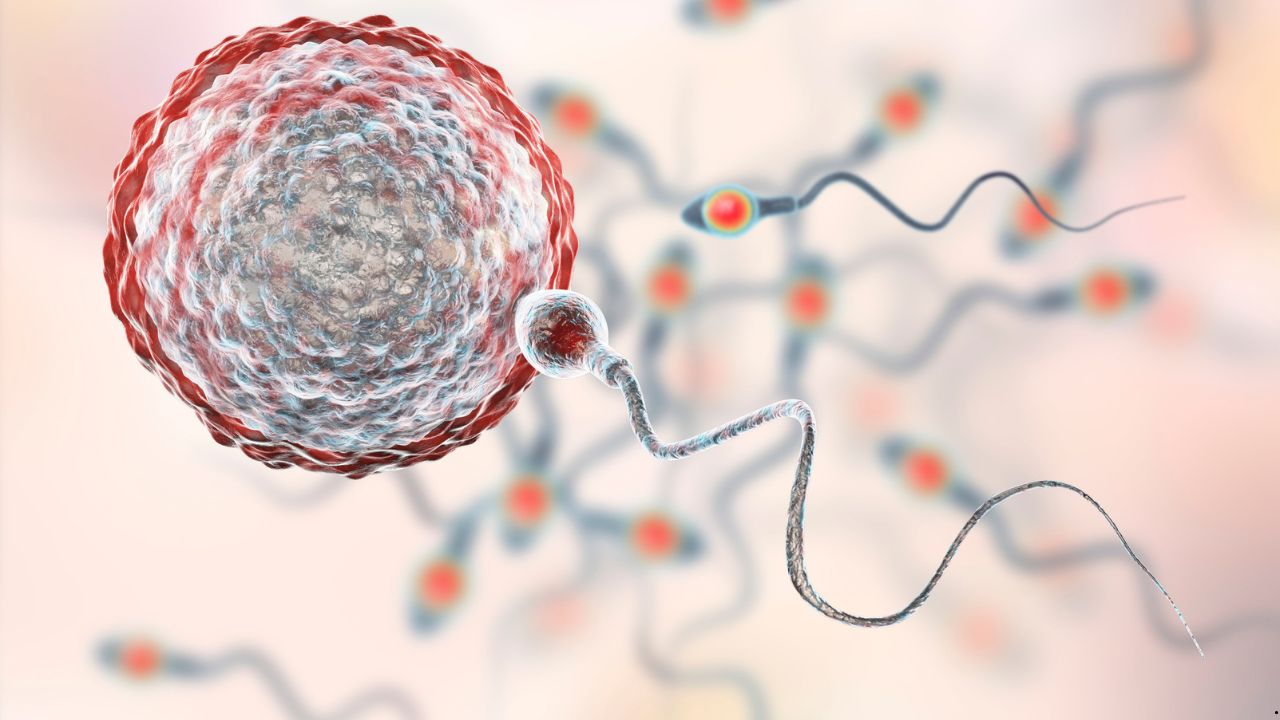
For most of human history, reproduction was seen as a numbers game. The idea was simple: survival of the fittest. Millions of sperm would travel through the challenging environment of the female reproductive tract, but only a few hundred made it to the egg. Out of those, just one—the strongest and fastest—would break through the egg’s outer layer to start a new life. This was nature’s rule. Yet, for many couples dealing with male infertility, this rule became an obstacle that hope alone could not overcome.
In the 1990s, Intracytoplasmic Sperm Injection (ICSI) was introduced. This technique didn’t just change how In Vitro Fertilization (IVF) worked—it completely redefined it. Instead of relying on the “survival of the fittest,” ICSI allowed for the careful selection of a single sperm. Embryologists became active participants, using their skills to help create life with just one sperm. Many consider ICSI the most important advance in reproductive medicine since the first IVF baby, as it turned a diagnosis of complete sterility into a treatable condition.
The Problem: When Numbers Fail
To understand why ICSI is so important, it helps to know the limits of traditional IVF. In standard IVF, about 50,000 to 100,000 prepared sperm are placed in a dish with an egg. The dish is left overnight, and embryologists hope that one sperm will bind to the egg, release enzymes to break through the shell, and enter the egg’s cytoplasm. For a broader perspective on the growth and trends in IVF globally, you can read more about the global in vitro fertilization (IVF) market.
But this approach only works if the sperm are healthy. For about 40% to 50% of infertile couples, the issue is with the male partner. If the sperm count is very low (oligospermia), if the sperm don’t move well (asthenospermia), or if they are abnormally shaped (teratospermia), they can’t reach or enter the egg on their own. In the past, these couples often had to use donor sperm, ending their genetic line. ICSI changed this by making it possible to use even a single sperm.
The Procedure: High-Stakes Microsurgery
ICSI is performed under high-powered inverted microscopes equipped with hydraulic micromanipulators—joysticks that translate large hand movements into precise control at the microscopic level. The scale of this operation is hard to fathom; a human egg is barely visible to the naked eye (about 120 microns), and a sperm is a fraction of that size.
The process is a sequence of delicate, high-tension steps:
- Immobilization: The embryologist scans a droplet of prepared sperm, hunting for the best candidate. They look for a regular shape and vigorous movement. Once chosen, the sperm tail is gently crushed with a glass pipette. This sounds aggressive, but it is vital; it immobilizes the sperm and breaks its membrane, which is necessary to activate the egg after injection.
- The Setup: The mature egg is held in place by a suction pipette. The egg must be oriented correctly, with the polar body (a small genetic discard) at the 12 o’clock or 6 o’clock position, ensuring the injection avoids the egg’s fragile genetic spindle.
- The Breach: A very fine needle, holding a single sperm, is placed against the egg’s outer shell and inner membrane. The embryologist gently applies suction to break the membrane, then injects the sperm into the center of the egg’s cytoplasm.
- The Withdrawal: The needle is carefully removed, leaving the sperm inside.
The whole process takes only a few seconds for each egg, but it demands steady hands and years of training. It allows embryologists to bypass all the natural barriers to fertilization.
Who Needs ICSI?
Initially developed for severe male infertility, the indications for ICSI have expanded significantly over the years. It is the standard of care for men with extremely low sperm counts or for those who have undergone surgical sperm retrieval (TESE/PESA) because of a blockage or a vasectomy. In these cases, the retrieved sperm are often immature and incapable of fertilizing an egg without help.
ICSI is also often used when couples have unexplained infertility and previous IVF attempts have failed to achieve fertilization. In these cases, the eggs and sperm did not interact in the dish. ICSI is also preferred when Preimplantation Genetic Testing (PGT) is planned. Injecting a single sperm helps prevent extra sperm from sticking to the egg, which could affect the genetic test results.
The Emotional Calculus
For patients, standard IVF and ICSI often feel the same, since both use the same stimulation and egg retrieval steps. However, the results can be very different. For couples who have experienced repeated disappointment, their main hope is to finally hold a child of their own—something ICSI can make possible when natural conception has not worked.
ICSI can provide significant psychological relief for men. Infertility can be difficult and may affect self-esteem. Knowing that medical science can help them become biological fathers can ease emotional stress for both partners.
Safety and the Future: Genomic Integrity
Like any major medical procedure, ICSI is carefully studied. Since it bypasses natural selection, some worry it could increase the risk of genetic problems. Studies show that ICSI is generally safe, but there is a slightly higher chance of passing on certain male infertility traits, such as Y-chromosome microdeletions, to sons. Doctors discuss this with parents, explaining that their son might need similar help to have children in the future.
Newer techniques are improving how sperm are selected. For example, IMSI (Intracytoplasmic Morphologically Selected Sperm Injection) uses very high magnification—up to 6,000 times, compared to the usual 400 times—to check for small defects in the sperm head before injection. This helps ensure that only the healthiest sperm are used, making the process closer to natural selection.
Fertilization is not a guarantee.
It’s important to be clear that ICSI is not a guaranteed solution. It ensures the sperm is delivered to the egg, but it cannot make fertilization happen if the biology isn’t right. Fertilization rates with ICSI are usually high, about 70-80%, but sometimes it still doesn’t work if the egg quality is low or the sperm DNA is damaged. The embryologist can start the process, but the cells must continue it on their own.
A Sanctuary of Precision
Because this procedure relies so much on the skill and judgment of the embryologist, choosing the right clinic is very important. The embryologist’s expertise plays a key role in the success of the injection.
Liv Hospital stands out in reproductive medicine because its IVF lab uses advanced micromanipulation equipment and is staffed by experienced embryologists. Whether handling surgical sperm retrieval or rare sperm issues, the team treats every ICSI procedure with great care and precision, giving each egg the best chance to develop into a healthy embryo and, hopefully, a new life.